Last December, I spent two months working as a contract writer at Fox, editing synopses for National Geographic Channel. Watching the bloody, action-packed wild world every day through my desktop screen, I told myself I had to see it in the flesh someday. (It’s one of my reasons to be a flight attendant. With the ten-day annual leave I had and the costly flight ticket to Africa, I could never set a date to depart to this mysterious continent.) Two weeks ago, I finally got a chance to operate to Johannesburg, the largest city in South Africa, where I had a taste of the real safari.
You can find loads of safari tours on the Internet but most of them start with at least two participants, which caused me a headache as none of my crew wanted to go out. I didn’t want to give up so I contacted several tour guides to see if I’d be able to join the others. And, yes! There’re two likeminded crews from Singapore Airline going on a one-day tour to Krugersdorp Game Reserve and Pilanesberg National Park, and that’s how my first South African safari began.
Around an hour drive from Sandton Sun Hotel, located in the northern suburbs of Johannesburg, Krugersdorp Game Reserve is a 1500-hectare park with around 30 mammals and over 200 bird species. Wandering in the reserve on horseback, we encountered a tower of giraffes including a 3-month old baby; a cohort of zebras grazing on grassland; a sounder of warthogs (Pumbaa in The Lion King) running on their short legs with their tails upright; and herds of antelopes sauntering across vast plains. In case you’re worried about the lions, they’re kept in a special 100ha enclosure in the middle of the reserve.
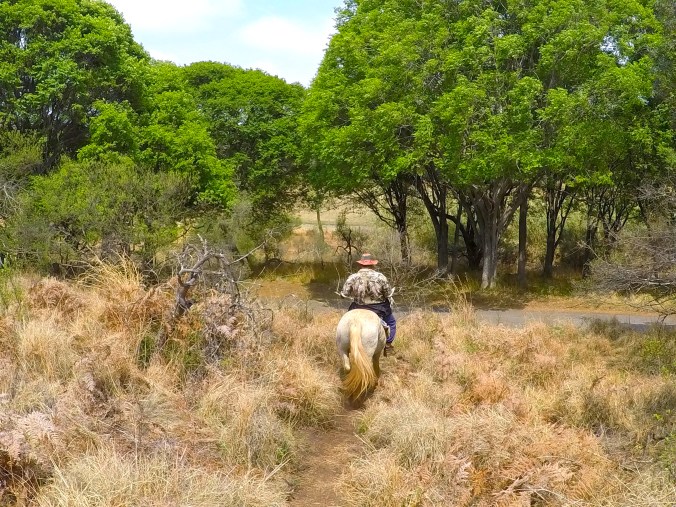
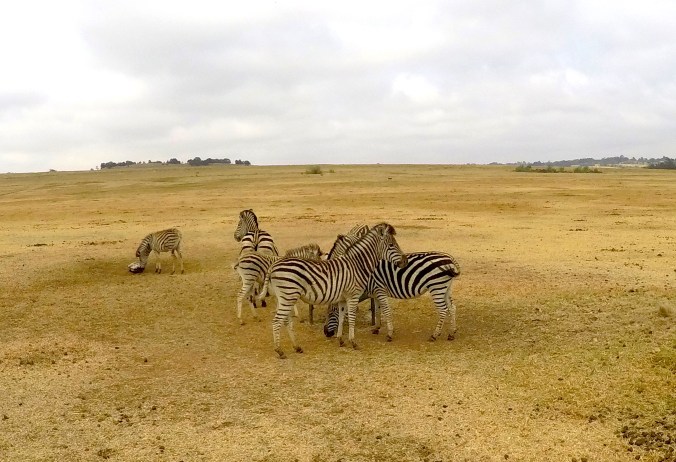
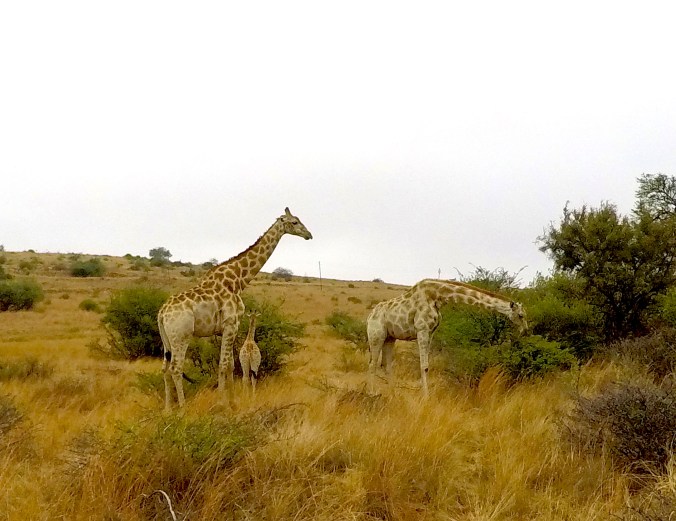
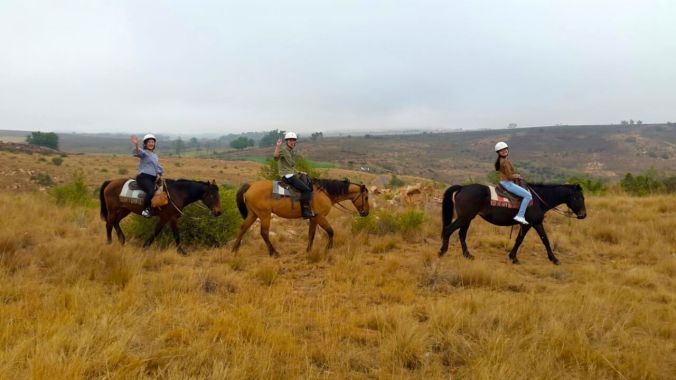
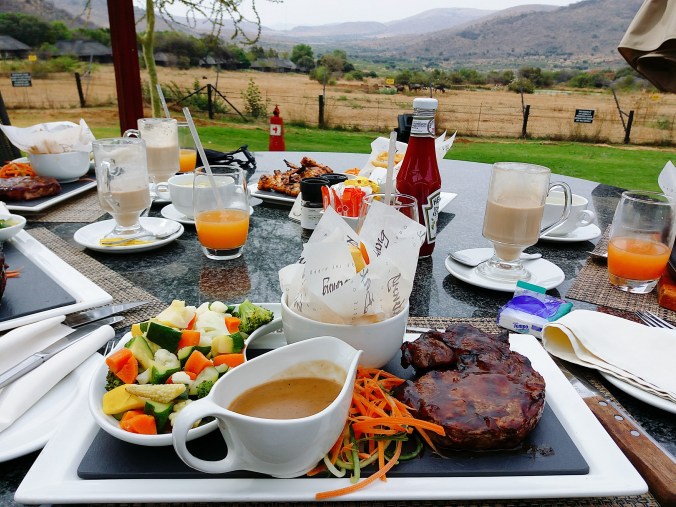
Having built up my appetite after the two-hour horseriding, we’re transported to Bakubung Bush Lodge in the malaria-free Pilanesberg National Park for lunch. Open to an amazing vista with wild animals roaming around, the lodge’s restaurant offers an extensive menu of international gourmet. I ordered a rib eye steak with pepper sauce and an African latte, infused with Amarula, a cream liqueur from South Africa.
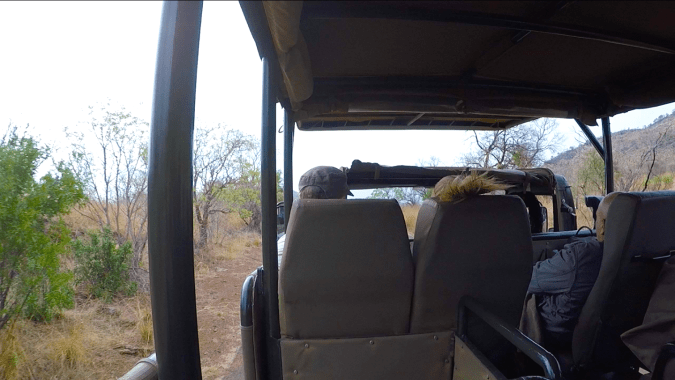
Securing the front seats in the truck and having a binocular in hand, we’re ready for our open safari at 4pm. Set within the crater of a volcano formed 1.2 billion years ago, Pilanesberg National Park is home to over 7000 animals, including the Big Five, and 300 bird species. It may not be the best national park in the country but it’s definitely the most accessible one from the hustle and bustle of Johannesburg.
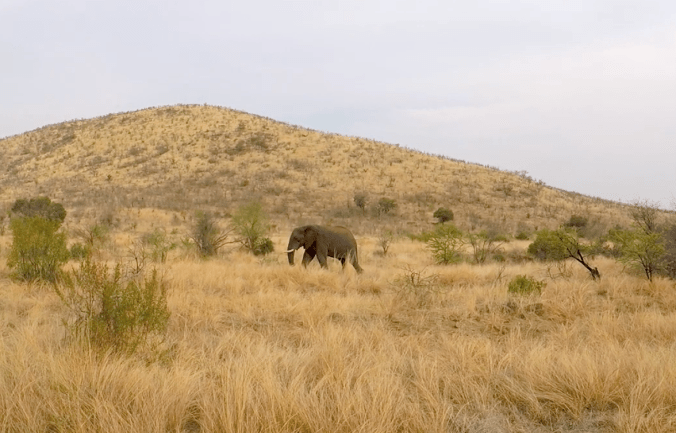
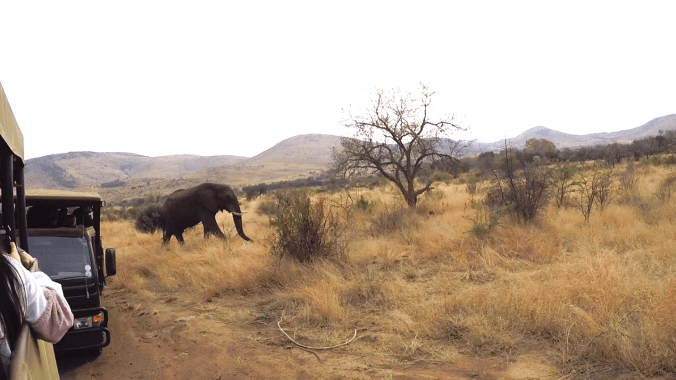
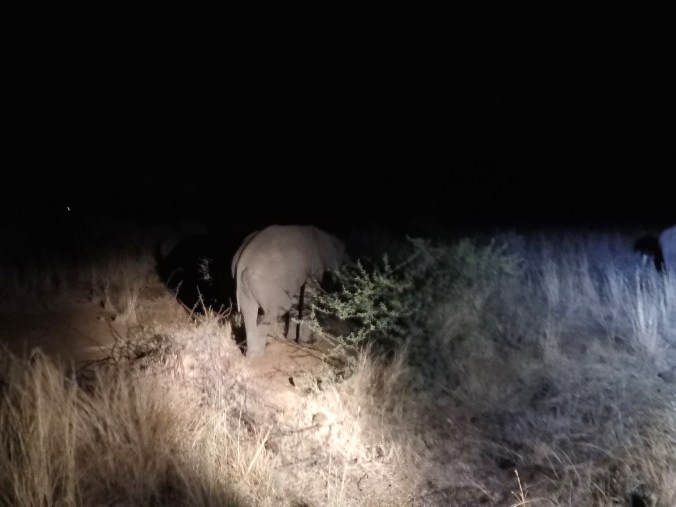
Going safari is a test of luck; no one can guarantee what animals you’d see or if you can see any of them. Honestly speaking, we didn’t see a lot during our four-hour drive, and it was really chilly when the truck was at full speed. But, will I do it again? Yes, for sure! It’s hard to describe how excited and happy we were when we caught sights of an elephant crossing the road in front of us; a white rhino tottering into the thick bush; a dazzle of zebras resting under the indigo sky; and a herd of impalas (the guide described them as the lion’s McDonald) nibbling in front of a serene lake.
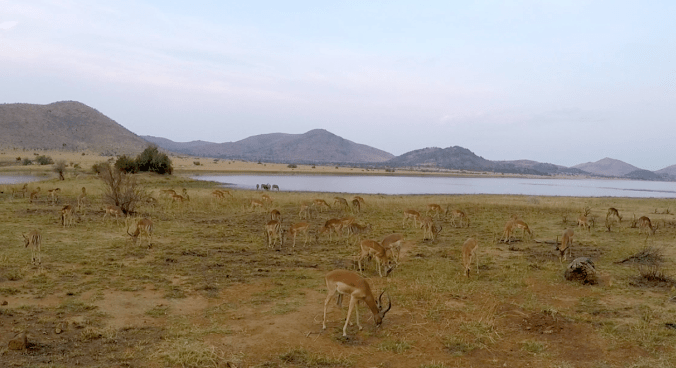
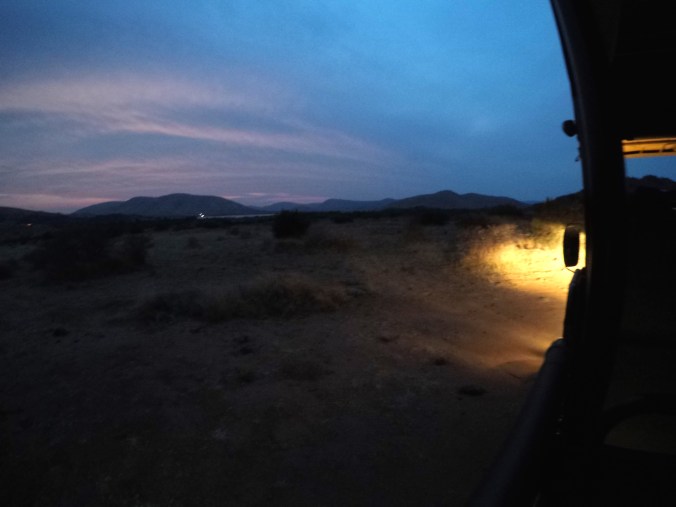
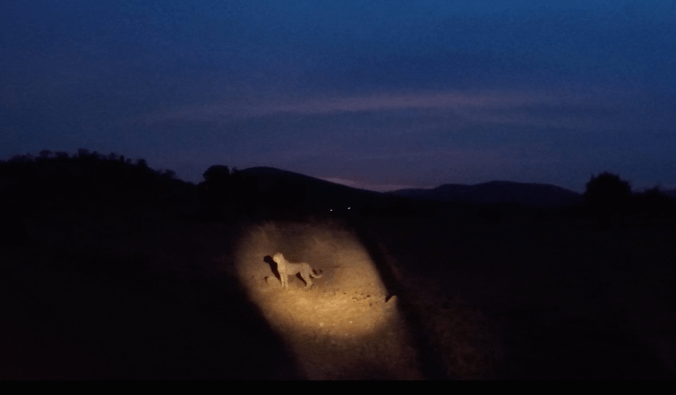
The highlight of our fascinating journey came in after dusk: we found a cheetah calling for its cubs and it’s just about a dozen feet away from us. A wave of silence washed over our truck, only broken by the sounds of camera shutters. Our tour guide Rodney said there’re less than ten cheetahs in the park so we’re truly lucky and thankful to spot one.
I also realized how much time and effort were paid to create those amazing wildlife documentaries, which not only educate people on animal diversity and conservation but also remind us that we don’t own the right to deprive other species of the natural resources of our home planet.

