Barcelona is a charming Mediterranean city that welcomes a substantial amount of tourists every year. Apart from enjoying its delectable food, relaxing vibe and vibrant nightlife, many also travel here to see the amazing creations by internationally-renowned architect Antoni Gaudí, a highly-acclaimed practitioner of Catalan Modernism in the late 19th and early 20th centuries. While it’d be nice to spend a few days exploring the city, my 1.5-day itinerary also covers most of the top attractions that you cannot afford to miss.
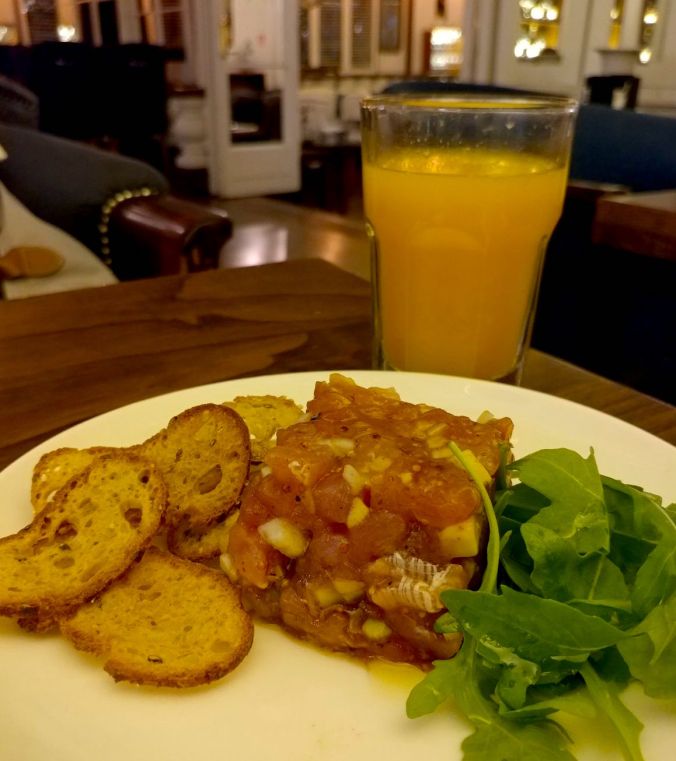
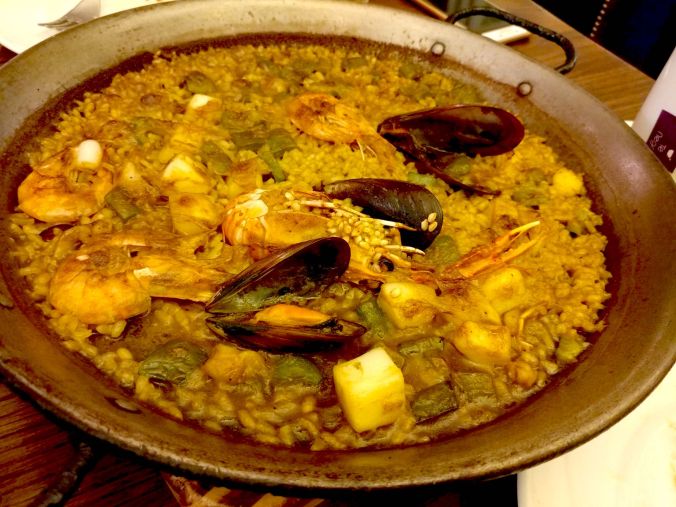
After taking a refreshing nap at Meliá Barcelona Sarrià, just a stone away from Avenida Diagonal, we head out for our first meal of the day at 4pm. (Spain is famous for its long and late lunch, which usually starts from 2pm till 5pm.) Only ten minutes walk from the hotel, Patron is a spacious, innovative restaurant inspired by the sea. Taking a quiet table at the corner, my colleague and I order the tuna fish tartar with crispy toast slices; and a seafood paella with fresh prawns, clams and the calamari to share. The dishes are delicious and well-presented but the waiting time can be quite lengthy.
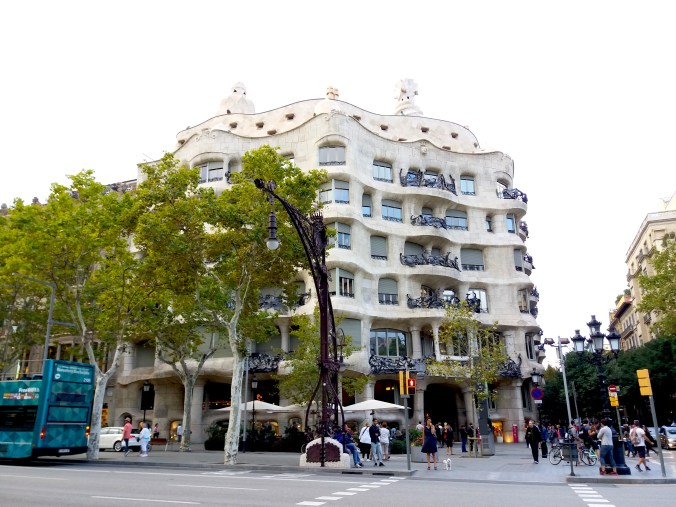
Stroll along Avenida Diagonal for about 20 minutes and you’ll arrive Casa Milà, also known as La Pedrera. Listed as a UNESCO World Heritage Site in 1984, the artistic monument was the last private residence designed by Gaudí and features a self-supporting stone façade and intriguing sculptures on the roof. The ticket is priced at €22.
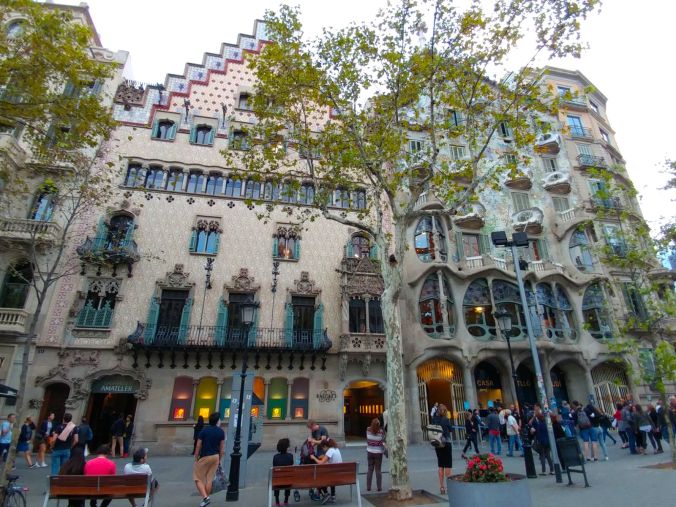
Approximately ten minutes away is another one-of-a-kind building named Casa Batlló, characterized by its colorful façade decorated with broken ceramic tiles; an arched roof likened to the back of a dragon; and a series of protruding balconies in the shape of masks. A general ticket at the door is €28; remember to purchase online to save more.
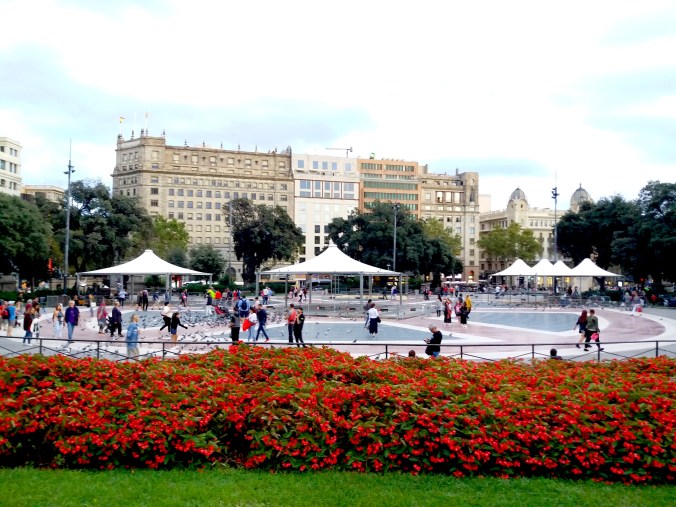
After some serious sightseeing, take a break in Plaça de Catalunya, a 50,000sqm public square with two beautiful fountains that lit up at night and some interesting statues by local sculptors. Nestled in the city center, the sizeable plaza is not only frequented by tourists and locals alike but also provides a beloved playground for flocks of pigeons.
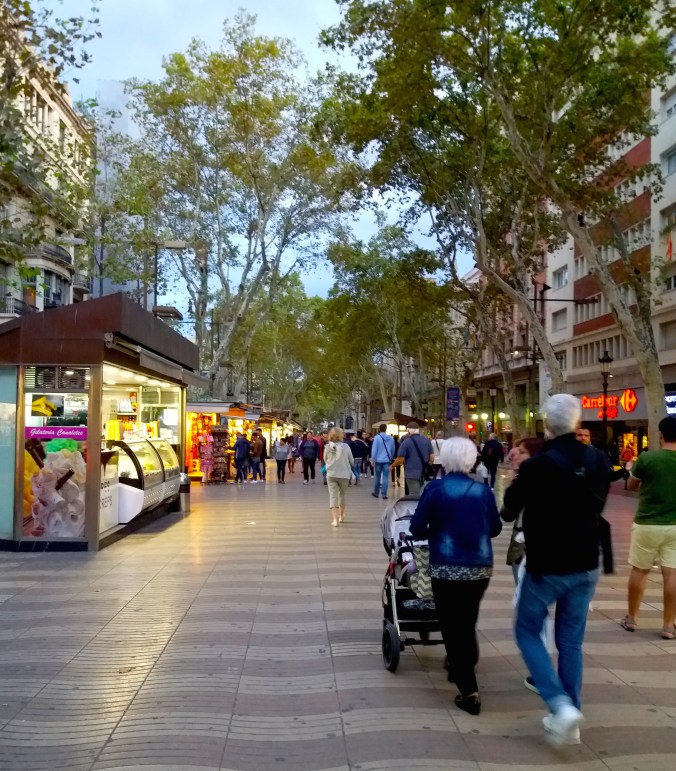
Connecting Plaça de Catalunya with the Christopher Columbus Monument at Port Vell is a 1.2 kilometers boulevard named La Rambla. On 17 August, a terrorist attack happened here, killing at least 14 people and injuring over 100. Flowers and memorial gifts in tribute to the victims can still be seen; it’s upsetting and heartbreaking. I truly don’t understand why some human beings are capable of doing this horrible stuff. After more than a month, the tree-lined street is packed with people as usual; the only difference is the significant increase in police forces in the area, fighting against and protecting the public from the violence that took away lives and the happiness of the many families.
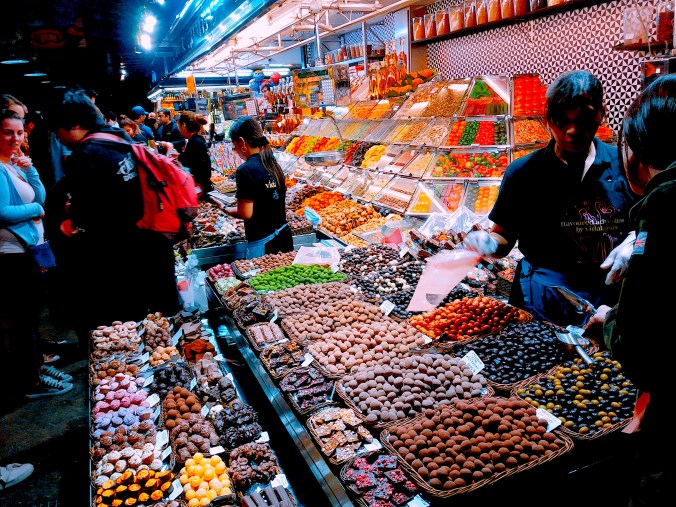
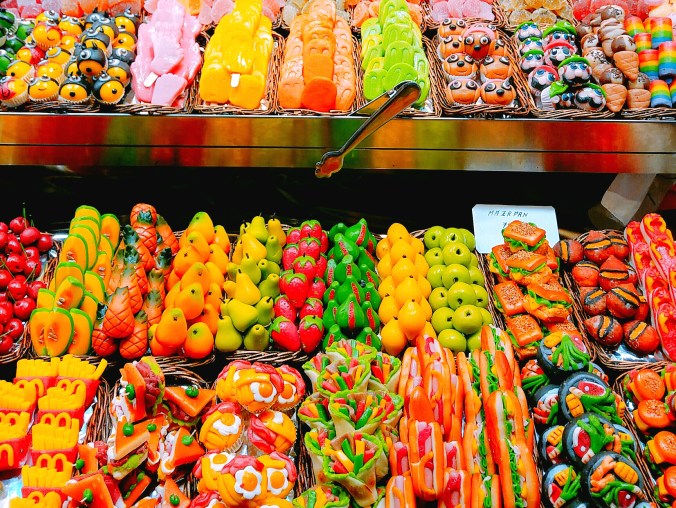
Time is a bit late when we reach La Boqueria, a large public market that offers an immense selection of products, from seafood and vegetables to wine and cheese. Though many stalls have already closed before 8:30pm, there’s still one surrounded by a crowd of people. I manage to squeeze in and discover a diverse variety of sweet, chocolates and nuts. You can just take a plastic bag and a tong, and then fill it with as many edible artworks as you like. If you’re feeling peckish, consider grabbing a bite at a tapas bar inside the market.
Dinner in Barcelona starts at around 9pm and Plaça Reial is the perfect place from which to look for a nice restaurant. Located just next to La Rambla, the square is also home to some of the most famous bars and nightclubs in the city. After waiting for 30 minutes, we settled in Viana, a cozy eatery a few steps from Plaça Reial.
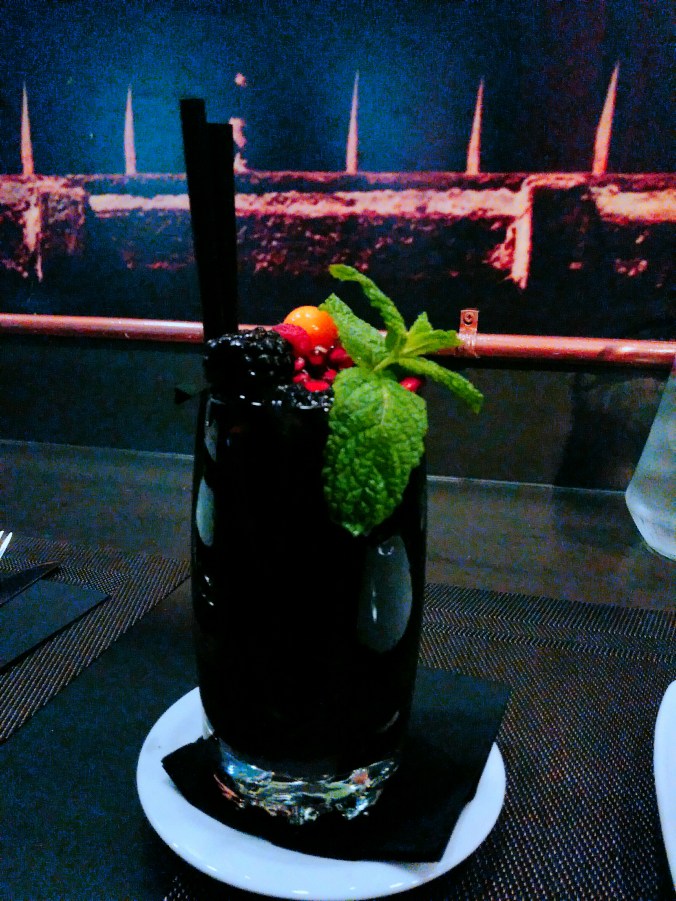
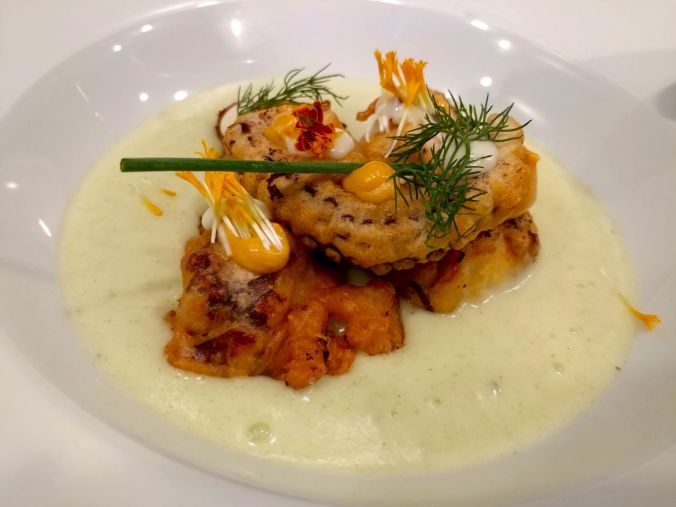
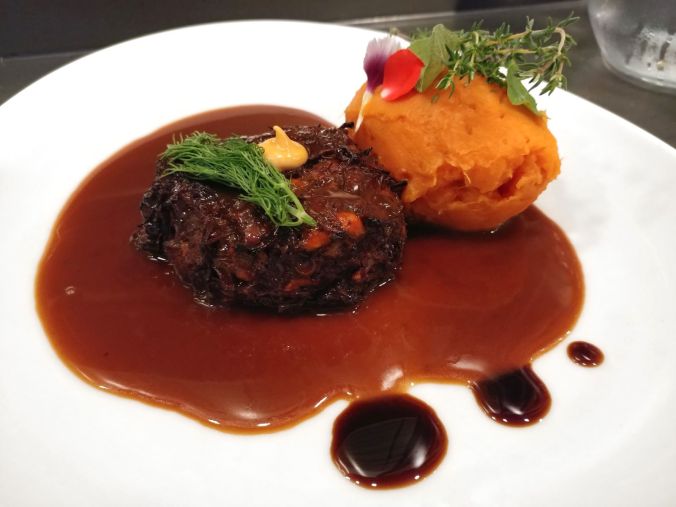
Instead of getting the tried-and-tested sangria, I opt for their signature blackberry mojito, a concoction of black vodka, blackberry, lime, mint, and soda; and it proves me right. For tapas and main course, we sample Galician octopus in tempura with potato and seaweed foam; and slow-cooked beef cheeks with sweet potato and cinnamon pure. The beef is slightly charred on the surface to give the tender meat a kick of crispiness. Each customer is also entitled to a complimentary appetizer – grilled tomato with mozzarella cheese – and a shot of coffee liqueur as a finishing note.
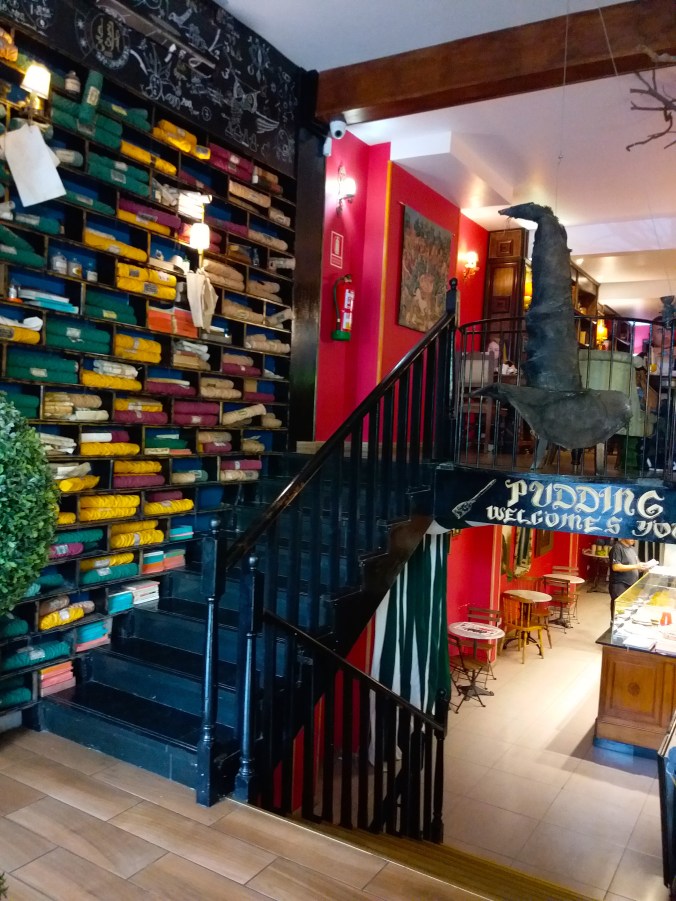
The second day begins with a nice coffee at the magic-themed Pudding café, which looks like a place straight out from the “Harry Potter” series. On our itinerary are two of the most famous projects by Gaudí: Park Güell and the Sagrada Familiar. Be sure to purchase the tickets online for both attractions to skip the queue.
Officially opened as a public park in 1936, Park Güell is situated on Camel Hill in the Gràcia district of Barcelona. To get there, simply get off at Vallcara metro stop (green line), and walk to Baixada de la Glòria, where you can take the escalator up to the entrance on Passatge de Sant Josep de la Muntanya.
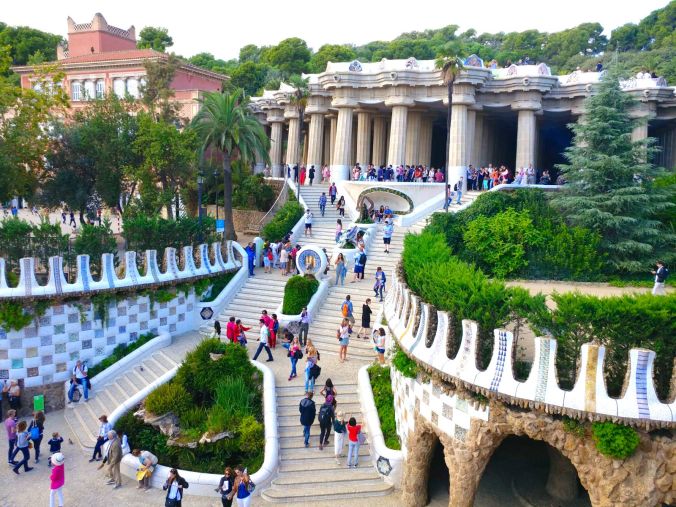
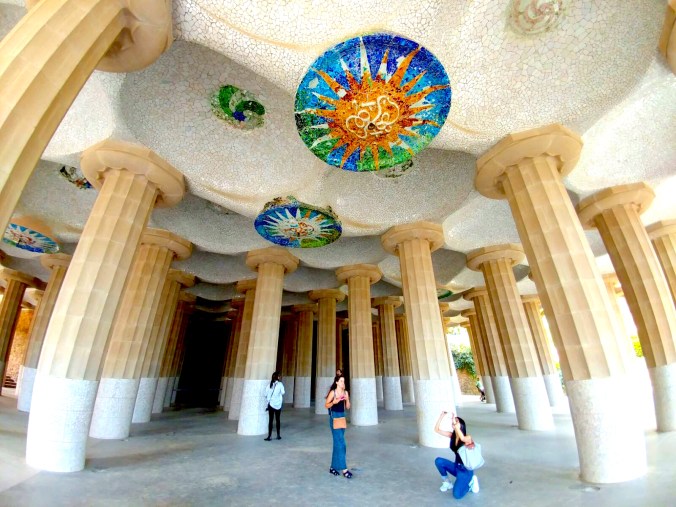
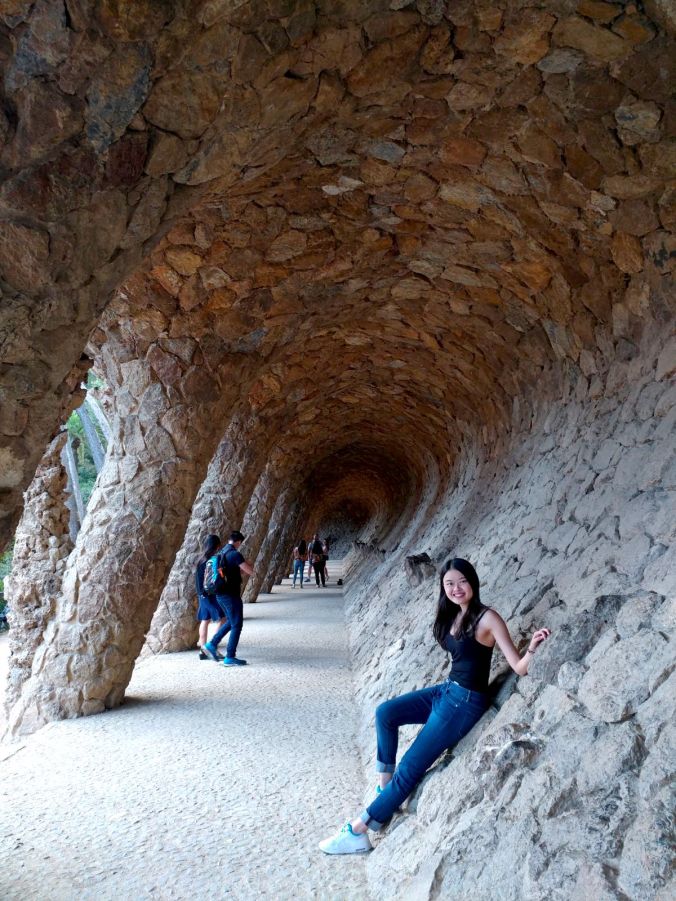
After verifying your ticket, walk to the main entrance and visit the two distinctive pavilions which were the porter’s lodge of the estate. Flanked by walls of rustic stone topped with ceramic tiling, the twin flight of steps leads to the hypostyle room, which is supported by 86 striated columns and a ceiling decorated with tile-shard mosaics in the shape of small domes. Passing through the Austria Gardens, you’ll find yourself in the nature square, which was built for all kinds of celebrations and social events; today, it becomes the most popular photo-taking spot from which to capture the colorful, undulating benches as well as the two imaginative pavilions. Don’t forget to visit the laundry room portico, which is created from unhewn stone and adopts the shape of a great wave.
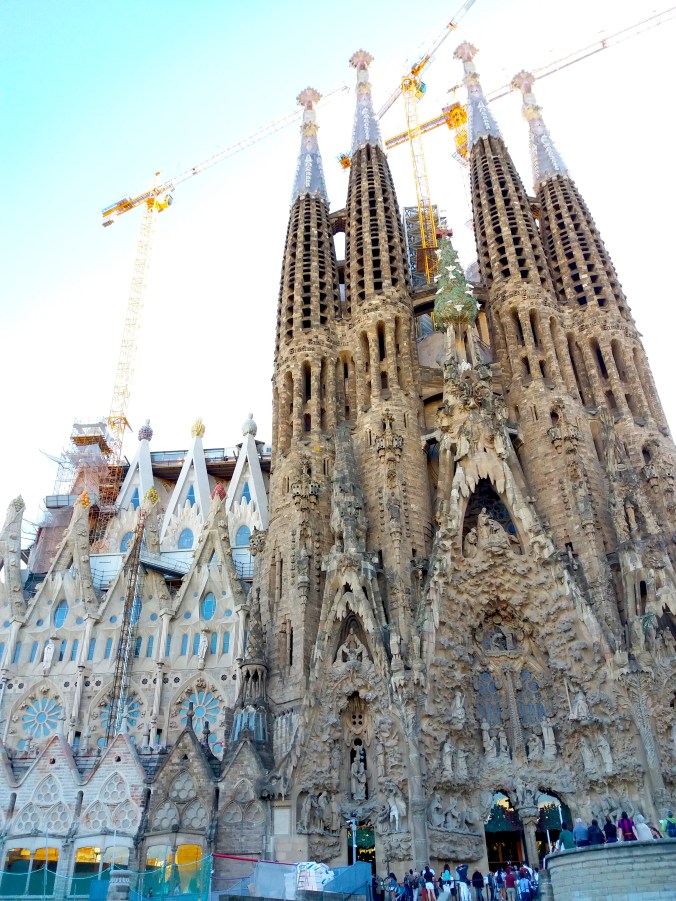
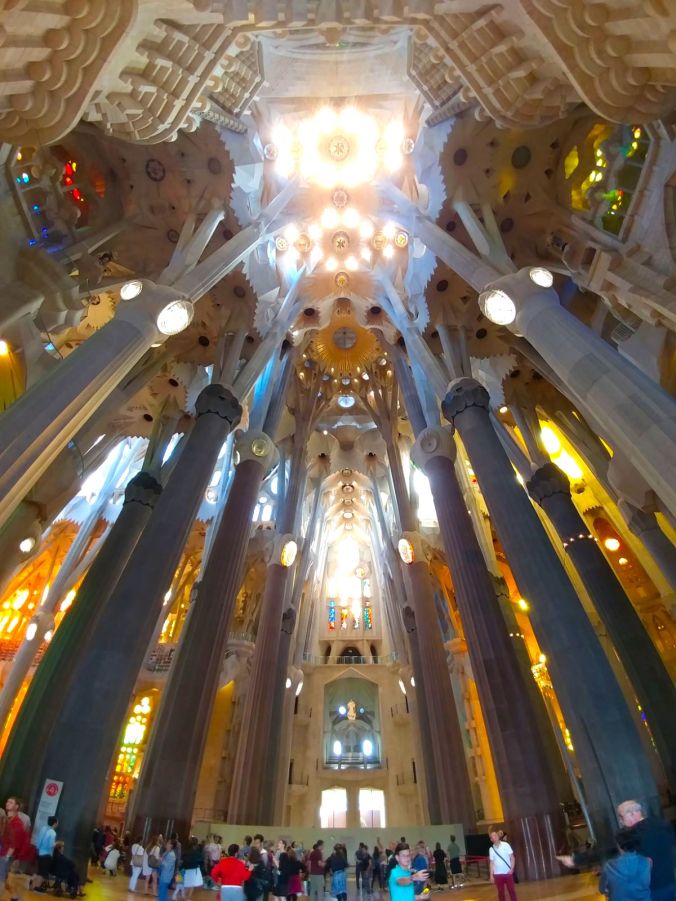
Last but not least is the Sagrada Familiar, the most impressive Roman Catholic church that I’ve seen so far. When Gaudí died in 1926, less than a quarter of the church was completed; and today, 30 percent of the project is still under construction. I only get the basic entrance ticket (€15), but for a better experience, go for the top views ticket (€29), which not only includes audioguide but also a visit to the towers.
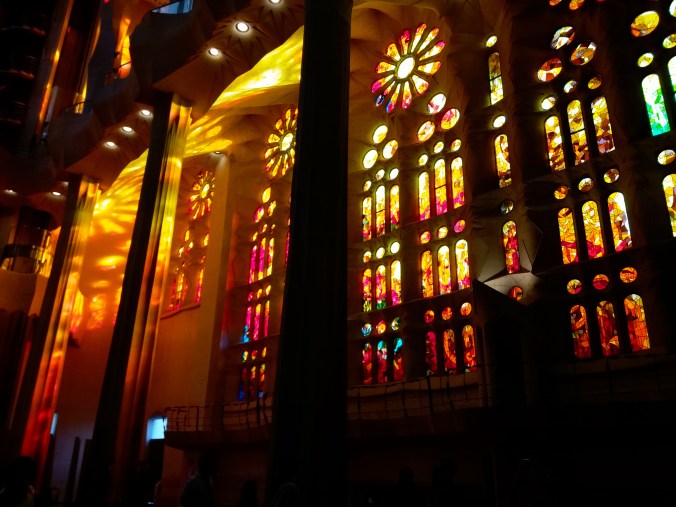
With 18 lofty towers featuring a rising pyramidal design, the verticality of the church symbolizes elevation toward gods; while the portals of the three facades illustrate three crucial events of Christ’s existence: his birth; his passion, death and resurrection; and his present and future Glory. Apart from the architecture, color is another main element of the masterpiece as Gaudí believed that it was the expression of life. Be ready to be amazed by the wide variety of stone and tiles in the vaulting and the mesmerizing light shining through a line-up of stunning stained-glass windows. Among all the attractions in the Barcelona, this is the one I love the most.
 Crystal on the journey