Christchurch is a new seasonal port of Cathay Pacific so we’re all excited to visit the largest city in the South Island of New Zealand. From the comments of the crew who have pioneered the operation of this new route, the city is boring and dreadful, with nothing much to see. I go on a day trip with my fellows trying to find out what these judgments were based on.
Unlike those popular tourist destinations filled with artistic architecture, sublime landscapes and a diverse range of restaurants and bars, the city center of Christchurch is dotted with condemned buildings, construction sites and vacant lots. Things were different a decade ago and it all changed on 22 February 2011, when a magnitude 6.3 earthquake struck the city at 12:51 pm, destroying thousands of buildings and killing 185 people from more than 20 countries.
Seven years have gone by, however, many infrastructures are still a shame to look at and countless residents still cannot move back to their original homes. You may wonder what happened between these years? The blame has fallen on delays on insurance claims and the disputes between the government and council over the recovery plan.
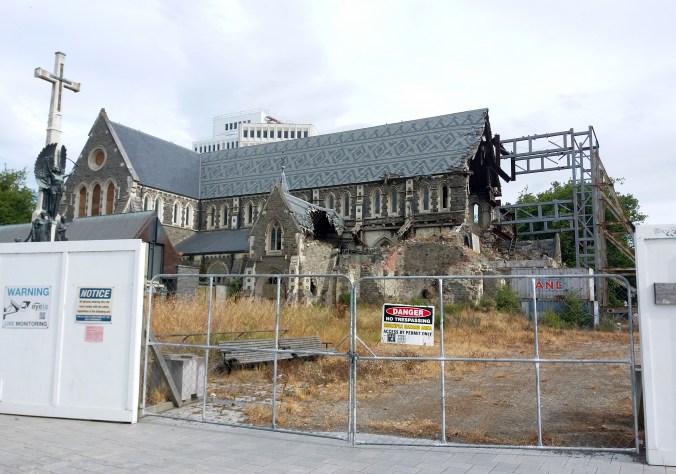
A city map in my hands, I can’t believe I’m standing right in front of Christchurch Cathedral, a deconsecrated Anglican cathedral located in the Cathedral Square in the heart of the city. A total wreck is not an overstatement of its situation. The 2011 earthquake damaged the structure of the main building and the spire of the tower. The remainder of the tower was demolished in 2012, but other than that, nothing has been done to restore or rebuild the church. Over the years, The Anglican Church wanted to replace it with a new structure but faced strong oppositions by various groups. The decision of reinstating the cathedral hasn’t been made until September 2017.
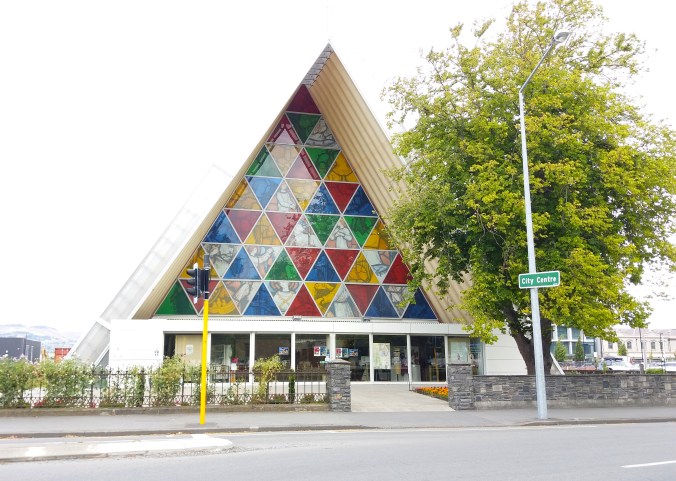
After the disaster, a transitional establishment named Cardboard Cathedral was built for holding services and concerts. As its name suggests, the new building designed by Japanese architect Shigeru Ban is constructed out of almost a hundred cardboard tubes, with eight shipping containers forming the walls. Thanks to its distinctive design and building materials, Cardboard Cathedral has become a landmark of the city and a popular tourist attraction.
Just a few steps behind the transitional establishment are 185 empty white chairs sitting still on 185sqm of grass. Each unique chair represents the identity and personality of a victim. We can see an armchair, a wheelchair, a student chair with desk arm, and even a baby car seat. There’s a notice board next to the memorial that writes about the tragedy and suggests people sit on one of the chairs and listen to what the casualty has to say. I didn’t dare to take a picture of the site…I don’t know…for me it’s just not so appropriate.
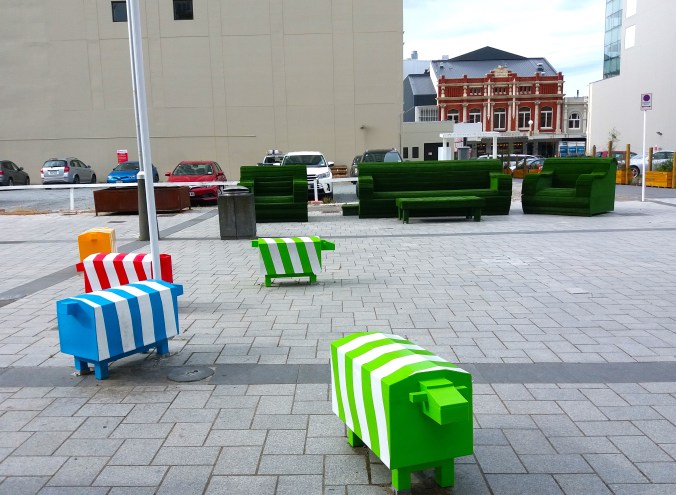
It’s upsetting and heartbreaking to see all these “tourist spots” that arouse our memories of the earthquake, but Christchurch also owns a beautiful side that deserves admiration and appreciation. Among those buildings-in-the-making and tedious, monotonous architecture, we’re astonished by a substantial amount of incredible murals painted in vibrant colors and interesting art installations created by professional local artists and foreign talents. In a rather deserted, sad area that I have described above, these masterpieces inject the city a much-needed sense of hope and grace.

Art can make a place pretty but the element that makes it alive is always people. The Cathedral Square, where the collapsed Christchurch Cathedral stands, has been the meeting point of a hive of activities, especially every Friday. The upbeat, energetic music leads me to the square, where a bunch of lovely girls are performing tap dance in their little black dress. Most of them are around 13 while some look like they’re still in elementary school. I enjoy hearing the perfect combination of the melody and tap sounds as much as watching their fluent steps striking on the wooden floor. The dance is an exemplification of the importance of precision and harmony. Watching with me are families, couples, and holidaymakers who come here for the Friday street food market. There’re food trunks cooking up mouth-watering snacks, artists showcasing handmade Christmas decorations, and emerging talents singing under the chalice created by prominent New Zealand sculptor Neil Dawson.

If art and culture are not enough to allure you to go for a visit, I guess you’re looking for what New Zealand is famous for – epic landscape. My trip in Christchurch is ultra short, but I still manage to take the gondola (cable car) up to the slopes of Mount Cavendish in the Port Hills, which overlook the city of Christchurch and the Canterbury Plains. Here, you can also take in the picturesque view of Lyttelton Harbour, Banks Peninsula, and the Southern Alps. The $28 ticket also includes a time tunnel experience, which whisks you back 12 million years as the ride takes you through the history of the city. In my opinion, the journey was kind of creepy. For the outdoorsy, take advantage of the many walking tracks, including the Crater Rim Walkway and the famous Bridle Path.


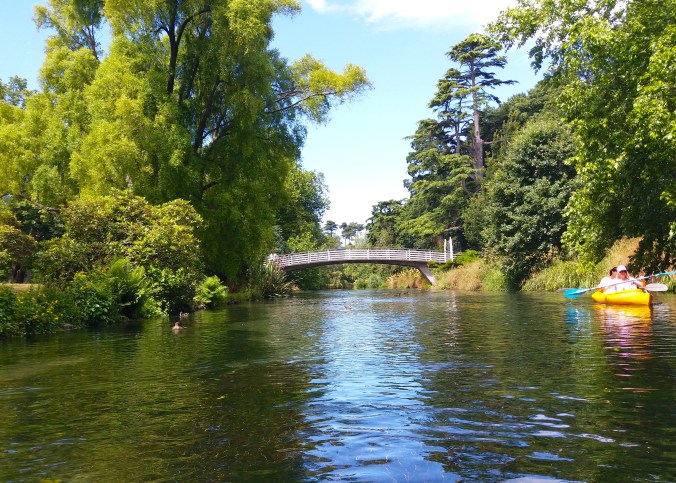
Not being up for the height? Think about punting on the Avon. Sit back and relax in a handcrafted flat-bottomed boat as a handsome punter in traditional Edwardian attire propels you along the tranquil river. Take the chance to admire the beautiful Christchurch Botanic Gardens and see a plump of ducks digging their heads into the water looking for a feast.


So, are the crew right about Christchurch that it’s just a boring city? Maybe yes, maybe no. It depends on what you’re looking for. Liken to a human being, every place in the world has its own personality and story that not everybody would like or understand. Keep your mind open, give it a chance, and you can tell people what the city is like in your own opinion.
 Crystal on the journey